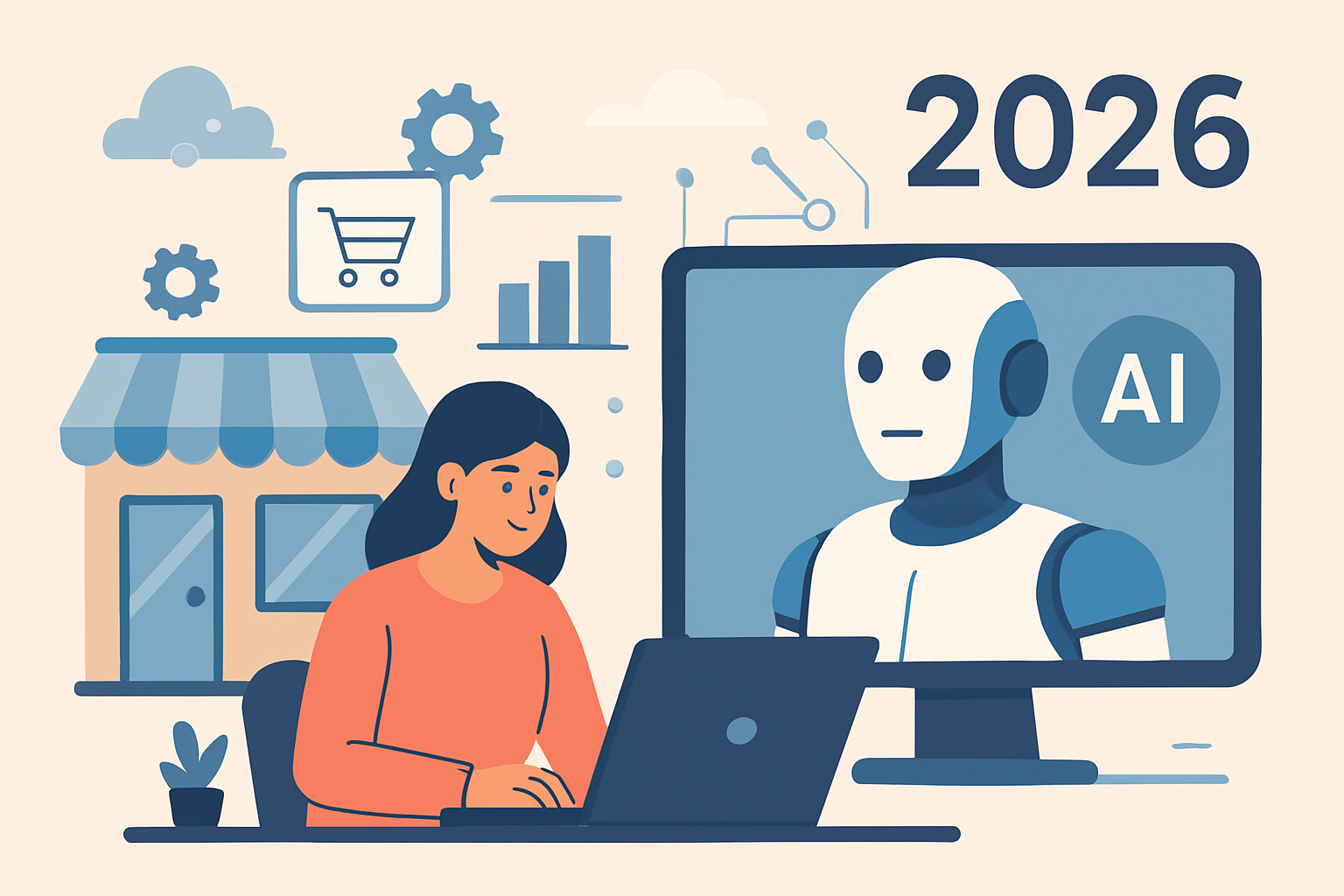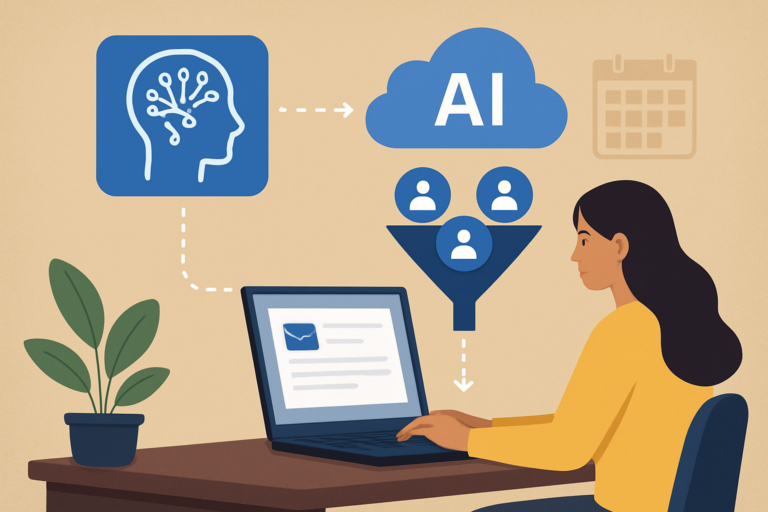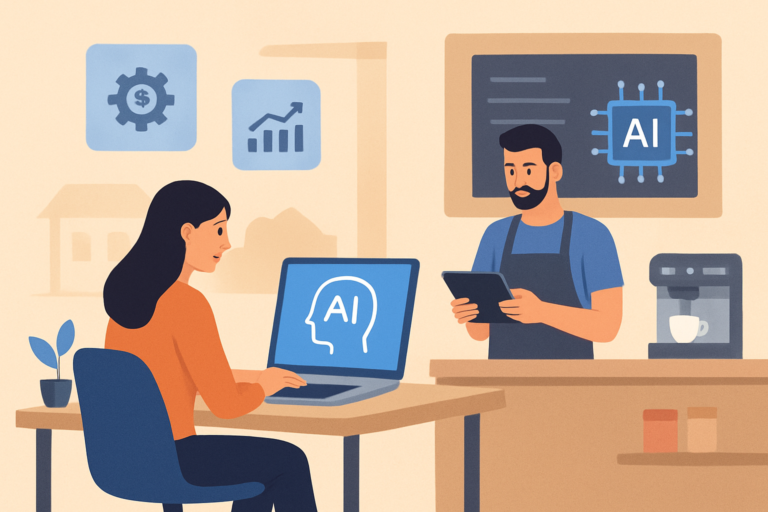
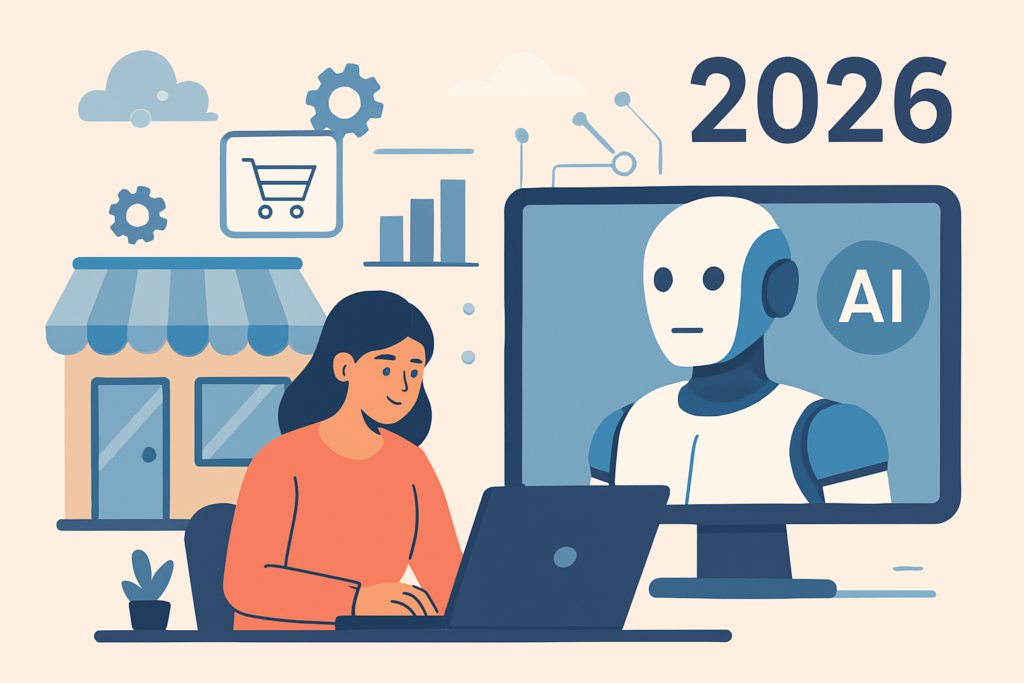
Artificial intelligence is no longer just for tech giants and Fortune 500 companies. In 2026, small businesses across the globe are leveraging AI tools to compete more effectively, streamline operations, and deliver exceptional customer experiences. Here are seven transformative ways AI is reshaping the small business landscape.
1. Automated Customer Service with AI Chatbots
Small businesses are increasingly deploying AI-powered chatbots to handle customer inquiries 24/7. These intelligent assistants can resolve common questions, process orders, and even schedule appointments without human intervention. Modern chatbots understand context and sentiment, providing personalized responses that feel natural and helpful. This technology allows small businesses to maintain constant customer availability without the expense of round-the-clock staffing.
2. Intelligent Marketing and Personalization
AI-driven marketing platforms are enabling small businesses to compete with larger competitors by delivering highly targeted campaigns. Machine learning algorithms analyze customer behavior, purchase history, and browsing patterns to create personalized email campaigns, product recommendations, and advertisements. Small retailers can now predict what customers want before they even search for it, significantly improving conversion rates and customer loyalty.
3. Financial Management and Predictive Analytics
AI-powered accounting software has revolutionized how small businesses manage their finances. These tools automatically categorize expenses, detect anomalies, predict cash flow issues, and generate financial forecasts. Predictive analytics help business owners make informed decisions about inventory purchases, hiring, and expansion timing. What once required expensive consultants is now available through affordable AI platforms accessible to any small business owner.
4. Enhanced Inventory and Supply Chain Management
Small businesses are using AI algorithms to optimize inventory levels, reducing both overstock and stockouts. These systems analyze historical sales data, seasonal trends, local events, and even weather patterns to predict demand accurately. AI also helps businesses identify the most reliable suppliers, optimize delivery routes, and anticipate supply chain disruptions before they impact operations.
5. Intelligent Hiring and Employee Management
AI is streamlining the recruitment process for small businesses by screening resumes, scheduling interviews, and even conducting initial candidate assessments. Beyond hiring, AI tools monitor employee productivity, identify training needs, and suggest optimal shift schedules. These systems help small business owners make better workforce decisions while reducing the administrative burden of human resources management.
6. Content Creation and Social Media Management
Small businesses are leveraging AI content generators to maintain consistent social media presence, write blog posts, create product descriptions, and design marketing materials. While human oversight remains essential, AI dramatically reduces the time and cost associated with content marketing. Advanced tools can even analyze which content performs best and automatically adjust strategies to maximize engagement and reach.
7. Cybersecurity and Fraud Detection
As cyber threats become more sophisticated, small businesses are turning to AI-powered security solutions to protect their data and customer information. Machine learning algorithms detect unusual patterns that might indicate fraud, hacking attempts, or data breaches. These systems learn from each threat attempt, continuously improving their ability to identify and neutralize security risks before they cause damage.
AI Tools Comparison for Small Businesses
| Feature Category | Entry-Level Solution | Mid-Tier Solution | Best For |
|---|---|---|---|
| Customer Service | Chatbot platforms (Free-$50/month) | Advanced AI assistants ($100-$300/month) | Businesses with high inquiry volume |
| Marketing Automation | Basic email AI ($20-$100/month) | Full marketing suites ($200-$500/month) | E-commerce and retail |
| Financial Management | AI accounting tools ($15-$50/month) | Comprehensive platforms ($100-$250/month) | All business types |
| Content Creation | Basic generators ($10-$30/month) | Professional suites ($50-$200/month) | Content-heavy businesses |
| Cybersecurity | Basic AI protection ($20-$75/month) | Enterprise-grade ($150-$400/month) | Businesses handling sensitive data |
Frequently Asked Questions
Q: Is AI too expensive for small businesses?
A: Not anymore. In 2026, many AI tools offer affordable subscription plans starting at $10-50 per month, with free trials available. The cost savings from automation often exceed the subscription fees within the first few months.
Q: Do I need technical expertise to implement AI in my small business?
A: Most modern AI tools are designed with user-friendly interfaces that require no coding or technical knowledge. Many providers offer onboarding assistance, tutorials, and customer support to help small business owners get started.
Q: Will AI replace my employees?
A: AI is best viewed as a tool that augments human capabilities rather than replaces them. It handles repetitive tasks, allowing your employees to focus on creative problem-solving, customer relationships, and strategic thinking that require human judgment.
Q: How quickly can I see results from implementing AI?
A: Many small businesses report noticeable improvements within 30-90 days of implementation. Customer service chatbots can provide immediate benefits, while tools like predictive analytics may take a few months to gather sufficient data for accurate recommendations.
Q: What’s the biggest mistake small businesses make with AI?
A: The most common mistake is trying to implement too many AI tools at once. Start with one area that addresses your biggest pain point, master that tool, then gradually expand to other areas of your business.
Q: How do I choose the right AI tools for my business?
A: Identify your most time-consuming tasks or biggest operational challenges first. Look for AI tools specifically designed for those problems, read reviews from other small businesses in your industry, and take advantage of free trials before committing to paid subscriptions.
Conclusion
The AI revolution is democratizing access to powerful business tools that were once available only to large corporations. Small businesses that embrace these technologies in 2026 are discovering new efficiencies, reaching customers more effectively, and competing on a more level playing field. The key is to start small, focus on tools that address specific business needs, and gradually build AI capabilities as you become more comfortable with the technology. The future of small business is intelligent, automated, and more accessible than ever before.