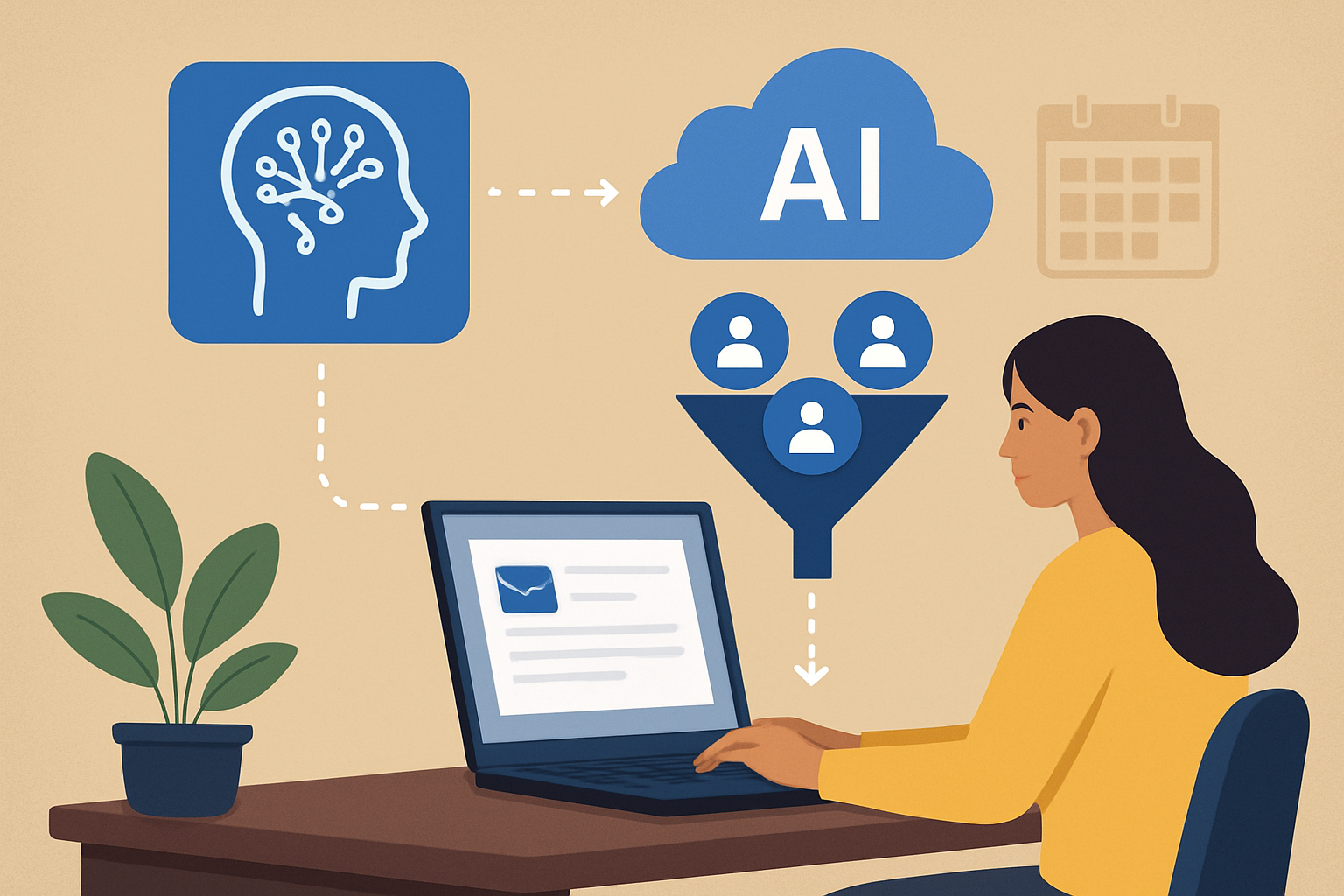
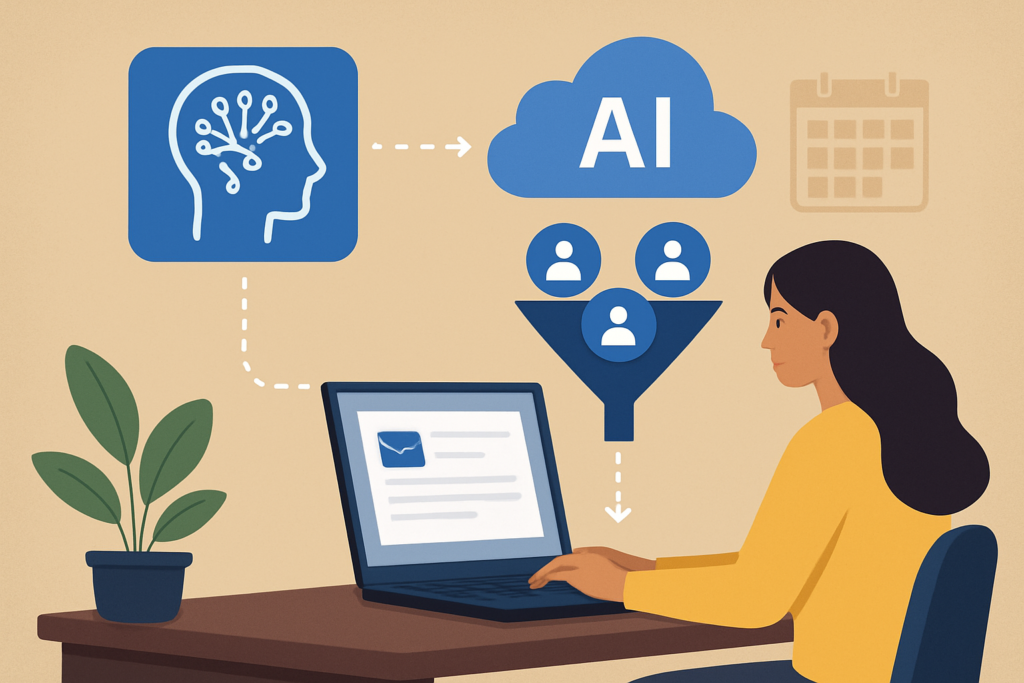
In today’s competitive business landscape, converting cold leads into qualified prospects is one of the most challenging aspects of sales and marketing. Traditional lead nurturing methods often fall short, with generic email sequences and delayed responses causing potential customers to lose interest. However, AI-powered lead nurturing is revolutionizing this process, transforming ice-cold prospects into booked sales calls with unprecedented efficiency.
Understanding the Cold Lead Challenge
Cold leads represent individuals who have shown minimal interest in your product or service, or who have yet to engage meaningfully with your brand. These contacts might have downloaded a single resource, visited your website briefly, or been added to your database through third-party sources. The challenge lies in warming these prospects up without overwhelming them or wasting valuable sales team resources on unqualified contacts.
Statistics show that only 2-5% of cold leads convert into customers using traditional methods. This low conversion rate stems from poor timing, irrelevant messaging, and lack of personalization—all areas where artificial intelligence excels.
How AI Transforms Lead Nurturing
AI-powered lead nurturing systems leverage machine learning, natural language processing, and predictive analytics to engage prospects in ways that feel personal, timely, and relevant. Here’s how these intelligent systems turn the tables on cold lead conversion:
Behavioral Analysis and Scoring: AI algorithms continuously analyze lead behavior across multiple touchpoints—email opens, website visits, content downloads, and social media interactions. This comprehensive analysis creates a dynamic lead score that updates in real-time, allowing your system to identify the precise moment a prospect is ready for direct sales engagement.
Hyper-Personalized Communication: Unlike generic email blasts, AI systems craft personalized messages based on individual prospect data, including industry, company size, previous interactions, and content preferences. These systems can generate unique subject lines, email copy, and calls-to-action that resonate with each specific lead, significantly improving engagement rates.
Optimal Timing and Channel Selection: AI determines not just what to say, but when and where to say it. By analyzing historical engagement data, these systems identify the optimal times to reach out to each prospect and which communication channels—email, SMS, social media, or chatbot—are most likely to generate responses.
Conversational AI and Chatbots: Modern AI-powered chatbots engage website visitors in natural, helpful conversations 24/7. These systems qualify leads through intelligent questioning, answer common objections, and seamlessly schedule calls with sales representatives when prospects demonstrate genuine interest.
The AI Lead Nurturing Workflow
A typical AI-driven lead nurturing process follows this structured approach:
1. Initial Contact and Segmentation: When a cold lead enters your system, AI immediately analyzes available data to segment the prospect into relevant categories based on demographics, firmographics, and behavioral indicators.
2. Engagement Phase: The system initiates a personalized nurturing sequence with valuable content tailored to the prospect’s industry, role, and challenges. AI monitors engagement levels and adjusts the sequence accordingly—accelerating for highly engaged prospects or pivoting content themes for those showing different interests.
3. Progressive Profiling: As leads interact with content, AI systems gather additional information through strategically placed forms, chatbot conversations, and behavioral tracking, building increasingly detailed prospect profiles without overwhelming contacts with lengthy questionnaires.
4. Intent Signal Detection: Advanced AI algorithms identify “buying signals” such as pricing page visits, competitor comparison research, or increased email engagement. When these signals reach a threshold, the system can trigger immediate sales outreach or automatically schedule a call.
5. Automated Scheduling: Rather than forcing prospects through multiple touchpoints to book a call, AI-powered systems offer intelligent scheduling options directly within emails or chatbot conversations, removing friction from the conversion process.
Real-World Results and ROI
Companies implementing AI-powered lead nurturing report dramatic improvements in conversion metrics. Industry data shows that businesses using AI for lead nurturing experience:
• 50-60% increase in qualified leads
• 40-50% reduction in cost per lead
• 30-35% improvement in conversion rates from lead to opportunity
• 25-30% decrease in sales cycle length
Perhaps most importantly, sales teams report spending significantly more time on qualified, sales-ready conversations rather than chasing uninterested prospects.
Traditional vs. AI-Powered Lead Nurturing
| Aspect | Traditional Lead Nurturing | AI-Powered Lead Nurturing |
|---|---|---|
| Personalization | Basic segmentation (industry, company size) | Hyper-personalized based on 100+ data points and behaviors |
| Response Time | Hours to days | Immediate (24/7 availability) |
| Lead Scoring | Static, manually updated | Dynamic, real-time adjustments |
| Content Delivery | Fixed sequences for all leads in segment | Adaptive pathways based on engagement |
| Timing Optimization | Scheduled intervals (every 3 days, weekly) | Data-driven optimal timing for each individual |
| Scalability | Limited by team capacity | Unlimited, consistent quality at scale |
| Conversion Rate | 2-5% | 8-15% |
Key AI Technologies Driving Results
Natural Language Processing (NLP): NLP enables AI systems to understand and respond to prospect inquiries with human-like comprehension. This technology powers chatbots that can handle complex questions, identify intent, and maintain contextual conversations across multiple interactions.
Predictive Analytics: By analyzing thousands of past lead interactions, predictive AI models identify patterns that indicate purchase readiness. These models become more accurate over time, continuously learning from new data to improve prediction accuracy.
Machine Learning: ML algorithms optimize every aspect of the nurturing process—from subject line performance to content recommendations—automatically testing variables and implementing improvements without human intervention.
Sentiment Analysis: Advanced AI systems analyze the emotional tone of prospect communications, adjusting messaging strategies to address concerns, enthusiasm, or hesitation appropriately.
Best Practices for Implementation
Successfully deploying AI-powered lead nurturing requires strategic planning and execution:
Start with Clean Data: AI systems are only as effective as the data they process. Invest time in cleaning your CRM, removing duplicates, and enriching contact records with accurate information before implementation.
Define Clear Objectives: Establish specific KPIs for your AI nurturing campaigns—whether that’s increasing booked calls by a certain percentage, reducing time-to-conversion, or improving lead quality scores.
Maintain Human Oversight: While AI handles routine nurturing tasks, ensure human sales representatives seamlessly take over when prospects are ready for deeper conversations. The handoff should feel natural and well-informed.
Continuously Test and Optimize: Even AI systems benefit from strategic human guidance. Regularly review performance metrics, test new approaches, and provide feedback to refine your AI’s decision-making processes.
Balance Automation with Authenticity: Prospects can detect overly robotic interactions. Configure your AI systems to maintain a genuine, helpful tone that reflects your brand personality.
The Future of AI Lead Nurturing
As artificial intelligence continues to evolve, the capabilities of lead nurturing systems will expand dramatically. Emerging trends include:
• Voice AI integration for phone-based lead qualification and nurturing
• Video personalization at scale, creating unique video messages for each prospect
• Cross-channel orchestration that seamlessly coordinates touchpoints across email, social, web, and phone
• Predictive lead generation that identifies ideal prospects before they even enter your funnel
These advancements will further blur the line between automated nurturing and high-touch sales engagement, creating experiences that feel personalized while operating at unprecedented scale.
Frequently Asked Questions
Q: Will AI-powered lead nurturing replace human sales representatives?
A: No, AI enhances rather than replaces human sales teams. AI handles time-consuming nurturing tasks, qualification, and scheduling, allowing sales representatives to focus on high-value conversations with warm, qualified prospects. The human touch remains essential for complex discussions, relationship building, and closing deals.
Q: How long does it take to see results from AI lead nurturing?
A: Most companies begin seeing measurable improvements within 30-60 days of implementation. However, AI systems become more effective over time as they accumulate data and refine their algorithms. Peak performance typically occurs after 3-6 months of operation.
Q: What’s the typical ROI of AI-powered lead nurturing?
A: ROI varies by industry and implementation quality, but companies typically report 3-5x returns within the first year. This comes from increased conversion rates, reduced manual labor costs, and shorter sales cycles. Enterprise organizations often see even higher returns due to the scalability advantages.
Q: Do I need a large lead database to benefit from AI nurturing?
A: While larger databases provide more data for AI learning, even small to mid-sized lead lists can benefit from AI nurturing. The key advantages—personalization, optimal timing, and automated qualification—deliver value regardless of database size. Systems can also leverage industry benchmarks and broader data sets to inform their strategies.
Q: How does AI handle privacy and compliance concerns?
A: Reputable AI lead nurturing platforms are built with GDPR, CCPA, and other privacy regulations in mind. They include consent management, data encryption, and automated compliance features. Always verify that your chosen solution meets relevant regulatory requirements for your industry and regions.
Q: Can AI nurturing work for complex B2B sales cycles?
A: Absolutely. In fact, AI is particularly valuable for complex B2B scenarios involving multiple decision-makers and longer sales cycles. AI can track engagement across an entire buying committee, identify which stakeholders are most engaged, and customize messaging for different roles and concerns within the target organization.
Q: What integration capabilities should I look for?
A: Your AI lead nurturing solution should integrate seamlessly with your existing CRM (Salesforce, HubSpot, etc.), marketing automation platform, calendar systems, and communication tools. API access and pre-built connectors for popular business software are essential for creating a unified workflow.
Conclusion
AI-powered lead nurturing represents a fundamental shift in how businesses approach prospect engagement. By combining the efficiency of automation with the intelligence of machine learning, these systems transform the traditionally challenging task of warming cold leads into a streamlined, measurable process that consistently delivers qualified prospects ready for sales conversations.
The companies that embrace this technology gain significant competitive advantages—more efficient sales processes, higher conversion rates, and better use of valuable human resources. As AI capabilities continue to advance, the gap between early adopters and laggards will only widen.
For businesses serious about improving their lead conversion performance, implementing AI-powered lead nurturing isn’t just an option—it’s becoming a necessity for sustainable growth in an increasingly digital marketplace. The question isn’t whether to adopt AI lead nurturing, but how quickly you can implement it to start turning your cold leads into booked calls and, ultimately, satisfied customers.